At least two perspectives of design activity are per the action-centric perspective. The two involve 3 common activities.
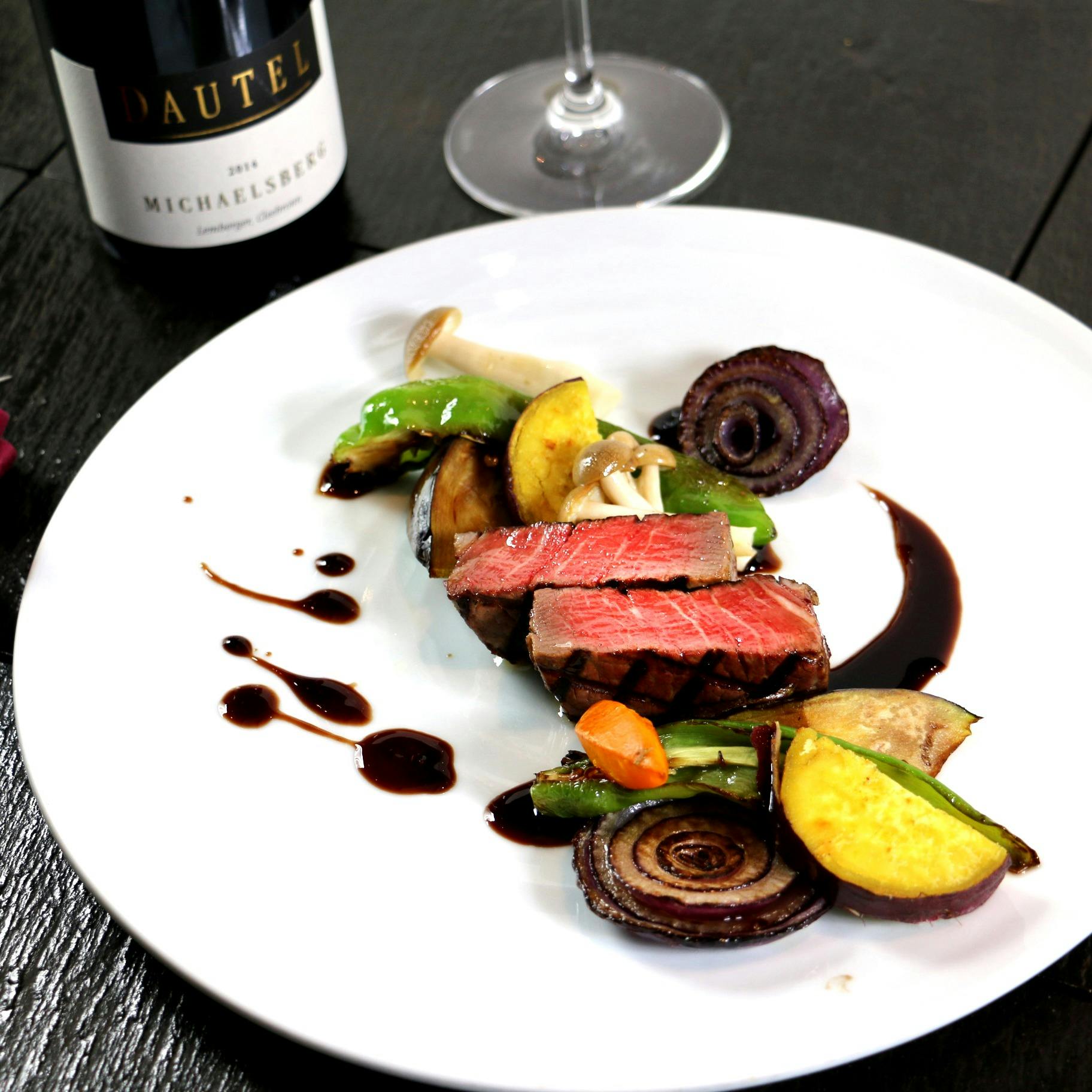
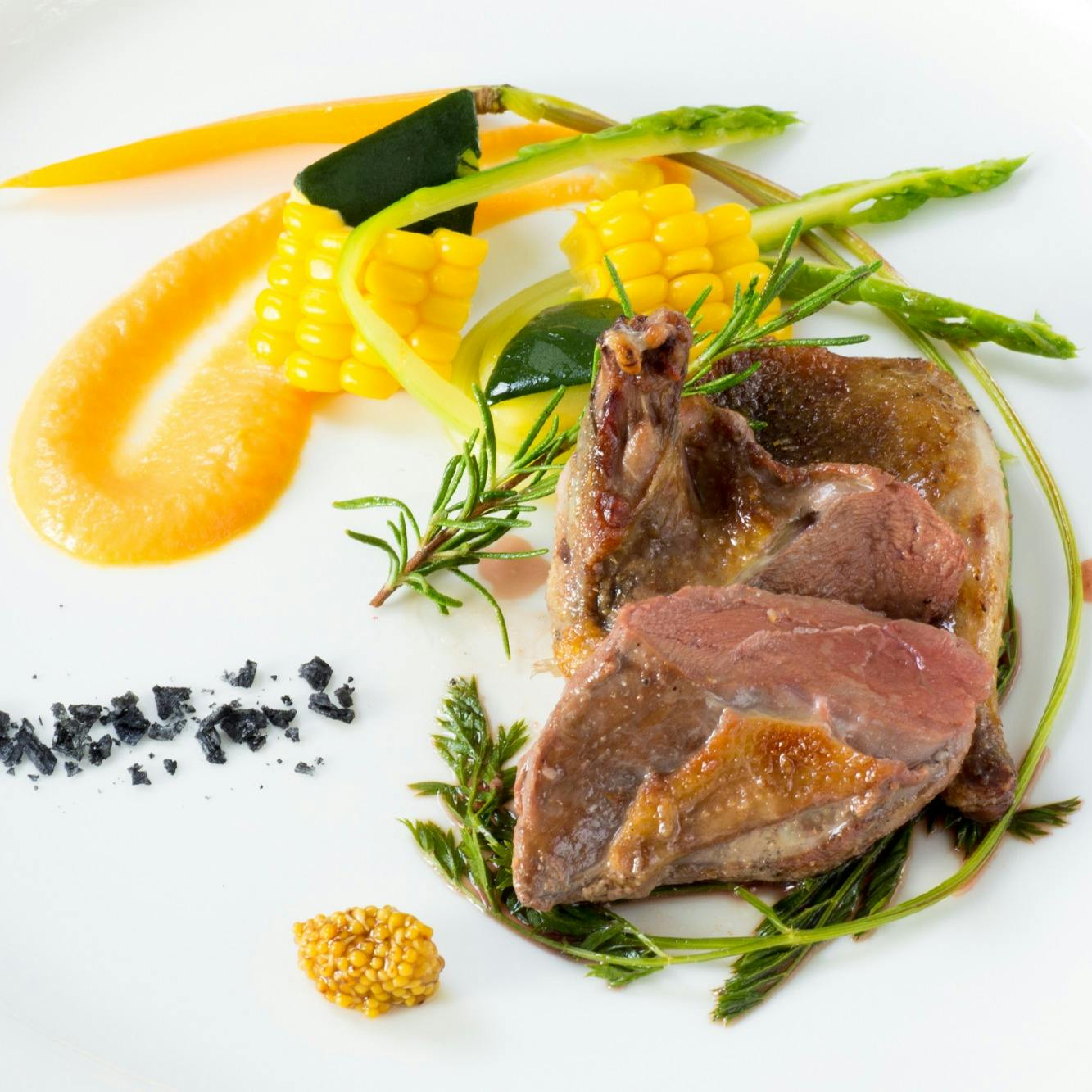
ワインサロン 銀座G.G. 【旬の食材を贅沢に味わうコース
A layout process is a general philosophy which can or may not include a aid for particular methods. Some are to guide the general goal of the design. Different procedures are to lead the developments of the designer.
フランス料理の調理方法 「アミューズ amuse 」 – ワイン
In the reflection-in-action paradigm, designers trade between "framing", "making moves", and "evaluating moves". "Framing" refers to conceptualizing the problem, i.e., defining aims and objectives. A "move" is a tentative layout decision. The analysis procedure may bring about further strikes within the design.
【公式】ナチュラル伊豆フレンチ~熱海風雅~最低価格保証
The rational model was independently developed by Herbert A. Simon,[8][9] an American scientist, and two German engineering design theorists, Gerhard Pahl and Wolfgang Beitz
カジュアルフレンチ アッシュ 【シェフ特選】アミューズ、前菜
In the sensemaking–coevolution–implementation framework, designers trade between its 3 titular activities. Sensemaking involves both framing and evaluating moves. Implementation is the method of making the layout object. Coevolution is "the approach where the layout agent concurrently refines its mental photograph of the design item based on its intellectual photograph of the context, and vice versa"