At least two perspectives of layout endeavor are consistent with the action-centric perspective. Both contain three ordinary activities.
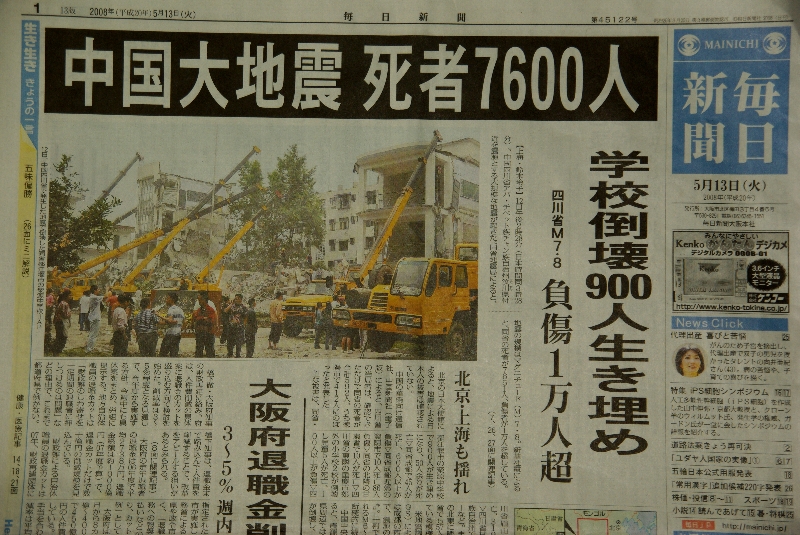
中国四川省で世界最大の大地震
A layout procedure is a general philosophy which may or won't incorporate a aid for particular methods. Some are to lead the final goal of the design. Other tactics are to lead the developments of the designer.
【熊本地震】本震とされた揺れが前震に。地震の被害がさらに
In the reflection-in-action paradigm, designers trade between "framing", "making moves", and "evaluating moves". "Framing" refers to conceptualizing the problem, i.e., defining goals and objectives. A "move" is a tentative layout decision. The evaluation process may bring about further moves in the design.
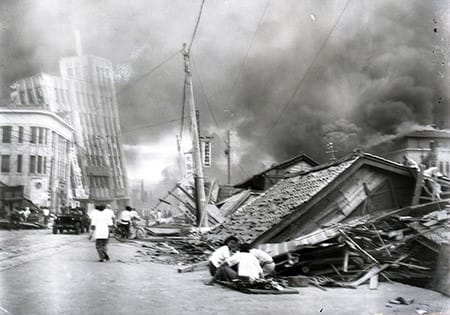
福井地震の記憶 ブナの中庭で
The rational model was independently developed by Herbert A. Simon,[8][9] an American scientist, and two German engineering design theorists, Gerhard Pahl and Wolfgang Beitz
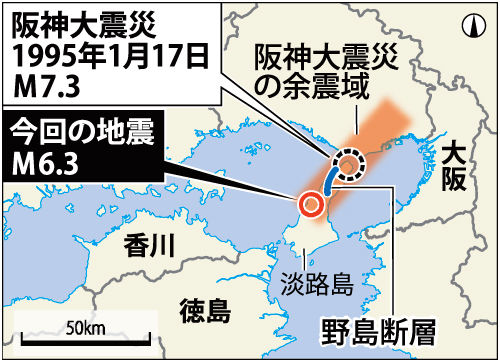
淡路島地震、阪神大震災とは「タイプ異なる」逆断層型 : スケ
In the sensemaking–coevolution–implementation framework, designers alternate between its three titular activities. Sensemaking contains both framing and comparing moves. Implementation is the process of making the design object. Coevolution is "the procedure in which the layout agent concurrently refines its intellectual photograph of the design item in keeping with its mental picture of the context, and vice versa"